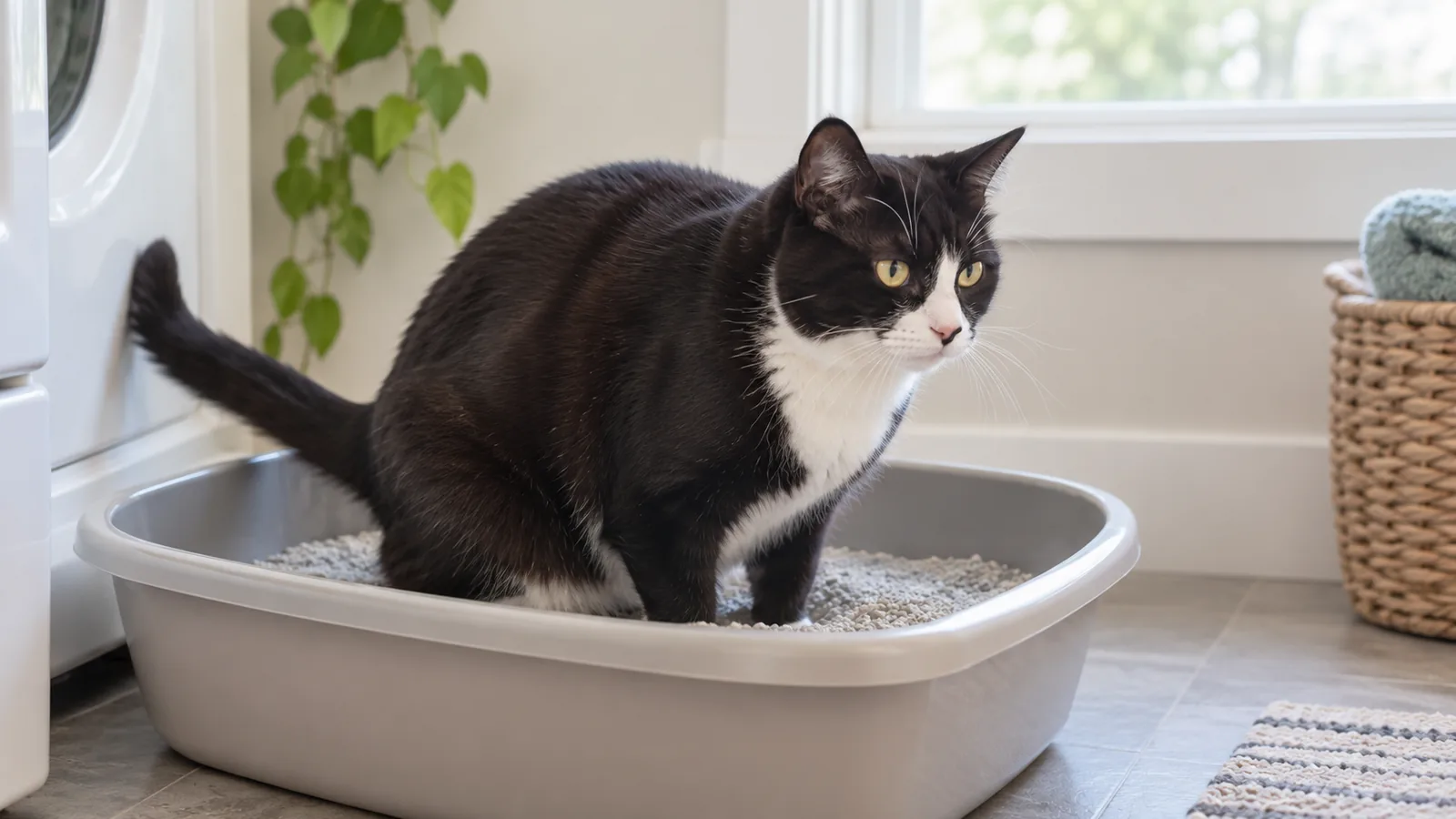
A urinary tract infection usually shows up in how your pet urinates, not in how they act the rest of the day. Watch for frequent trips to the litter box or the back door, straining, small amounts instead of a normal stream, urine that looks pink or bloody, indoor accidents, and licking at the back end. Those same signs also fit bladder stones, crystals, and a blockage, so what you notice tells you something is wrong without telling you what. The difference matters most in male cats, where straining that produces little or nothing can turn life-threatening within a day.
Countryside Veterinary Hospital provides veterinary care in Toney, and the lab work, digital X-ray, and ultrasound we have on site tell us whether this is an infection, stones, or a blockage. Catching it early usually means testing a urine sample and treating the cause rather than an emergency catheter and a hospital stay, and our feline-only exam rooms mean your cat is not waiting beside a barking dog when they already feel awful. If your pet is making extra trips or straining a little, give us a call and we will get them in; if a male cat cannot pass urine after we have closed, head to the nearest 24-hour emergency hospital rather than waiting for morning.
What Urinary Signs Are Telling You
- A male cat who strains without producing urine may be blocked, which needs care right away rather than an overnight wait
- Straining, frequent small puddles, bloody urine, and indoor accidents all point to a urinary problem, but none of them tell us whether it's an infection, crystals, or a stone
- A urinalysis and a culture separate those causes and keep pets off antibiotics they don't need
- Water, weight, and a clean, appealing place to go are the three home habits that lower urinary risk the most
Which Urinary Signs Mean Come In Now, and Which Can Wait for an Appointment?
A male cat who squats in the box again and again without producing urine may have a urinary obstruction, and a blocked cat can go from uncomfortable to critical in 24 to 48 hours as potassium and toxins climb in the bloodstream. Male dogs block too, usually on a stone wedged in the urethra, and straining with nothing coming out is the same emergency in a dog. Most other urinary changes need a prompt appointment, not a midnight drive.
The two can look alike from across the room. Here's how we sort them:
| What's happening | Likely cause | When to act |
| More thirst and far more urine than usual | Diabetes, kidney disease, or a hormonal condition | This week |
| Pink or red urine in a pet who otherwise seems like themselves | Infection, a stone, or crystals | Within a day |
| A male cat squatting over and over with nothing to show for it | Possible blockage | Right away |
| Lots of small trips, plus puddles in the house | Bladder irritation or an infection | Within a day or two |
| Vomiting, hiding, pacing, or crying on top of urinary signs | A blockage or another serious illness | Right away |
While you're getting the carrier out, three things stay off the table:
- No pain relievers from your own cabinet. Ibuprofen and acetaminophen are toxic to dogs and cats, and acetaminophen alone can kill a cat.
- No enema from the pharmacy shelf. The phosphate enemas made for people are dangerous for cats. A cat with a urinary blockage often looks like a cat who is constipated, and it’s not worth the risk to guess and try to treat at home.
- No pressing on the belly. A bladder stretched tight by a blockage can rupture under even gentle pressure.
We handle urgent care during our open hours, so call us right away if a pet is straining and nothing is coming out.
What Does a Urinary Tract Infection Look Like Early On?
Most urinary tract infections start with bacteria climbing the urethra and taking hold in the bladder wall. The earliest signs are small ones: a bit of straining, extra trips that yield a few drops, urine with a pink or rusty tint. All of it is easy to miss on a busy morning.
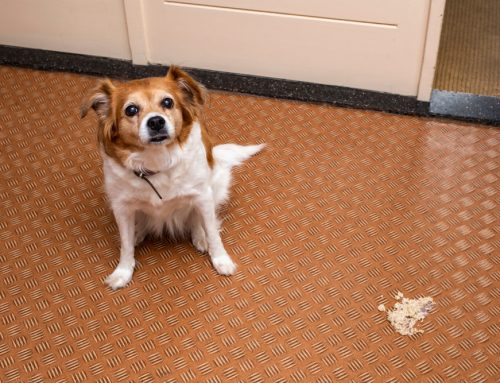
The pattern tells you more than any single trip does. A dog who asks for one extra outing on a rainy afternoon is not the same as a dog squatting every ten minutes in the yard and leaving nothing behind. Cats tend to move where they urinate before they change anything else. A wet spot on the rug outside the bathroom door, or on the tile right beside the box, is often the first thing anyone in the house notices. When a cat starts to associate a litter box with pain, they start to avoid the box.
Don't write a young pet's accidents off as a training problem. A house-trained puppy having overnight accidents isn't backsliding, and a kitten straining in the box needs the same look a grown cat would get. Focused licking at the back end, cloudy urine, and a stronger smell than usual fill out the picture in both species.
The catch is that this same list fits crystals, bladder stones, inflammation without any bacteria at all, and occasionally a growth in an older pet. That's why we test instead of guessing.
What Causes Urinary Tract Infections in Dogs and Cats?
E. coli from a pet's own digestive tract is behind most cases, and a bacterial bladder infection turns up more often in females because a shorter, wider urethra gives bacteria a much shorter trip to make. Anything that changes the urine or the plumbing raises the odds.
Anatomy comes first. A recessed vulva tucks the opening under folds of skin that hold moisture and bacteria against it. That's the female dog who clears one infection and starts another a few weeks later. A bladder that never empties all the way does something similar, leaving a warm puddle behind for bacteria to grow in.
Chronic disease is next. Sugar spilling into the urine of a pet with diabetes feeds bacteria directly, and a run of repeat infections is sometimes the first visible clue that an endocrine disease has been building quietly underneath. Kidney disease and Cushing's dilute the urine and dull the immune response, with the same result.
Weight and coat play a part too. A heavy dog or cat can't reach around to groom the back end, and a long coat holds urine against the skin after every trip outside.
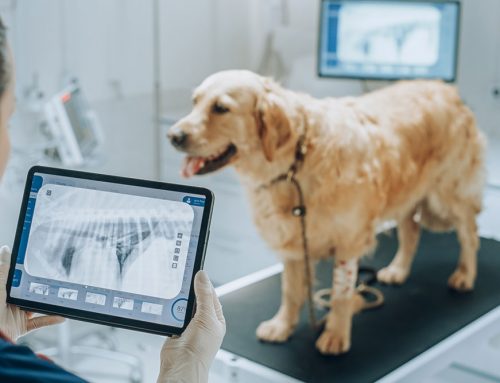
Then there are stones and crystals. Bacteria tucked into the rough surface of a stone sit out of reach of antibiotics. Picture a dog who finishes a full course, feels fine for a stretch, and then starts straining again: that pattern calls for an X-ray, not a refill. Bladder tumors can produce a similar response.
When infections keep circling back, our ongoing care for endocrine and recurring urinary problems targets whatever is driving them rather than this month's flare.
How Are Urinary Infections and Stones Treated?
What we find decides what we do, not what you saw on the floor.
- A plain bacterial infection: a targeted antibiotic and a few days of pain relief.
- Crystals or stones: a diet change, a procedure, or both.
- A blocked cat: a catheter, fluids, and hospital care before anything else can happen.
Comfort runs through all three plans. An inflamed bladder wall hurts with every contraction, and a pet who isn't bracing against that pain drinks and urinates more normally, which speeds the rest along. The pain relief we send home is chosen for the species and dosed for the patient, and it never comes from the medicine cabinet in your bathroom.
Urinary stones form when minerals crystallize and clump together in concentrated urine, and the plan splits along one question: whether that stone type responds to diet or has to come out. A cystotomy opens the bladder to lift the stones out directly, and most pets head home the next day on pain medication with a recheck about two weeks later.
We handle bladder surgery here, and we'll go over the choices with you before anything gets scheduled, including what recovery tends to look like at home. Whatever we remove goes off for analysis, and the prevention plan is built around that mineral. That plan is what keeps most pets from ever needing a second procedure.
Can a Routine Visit Catch a Bladder Problem Before Symptoms Start?
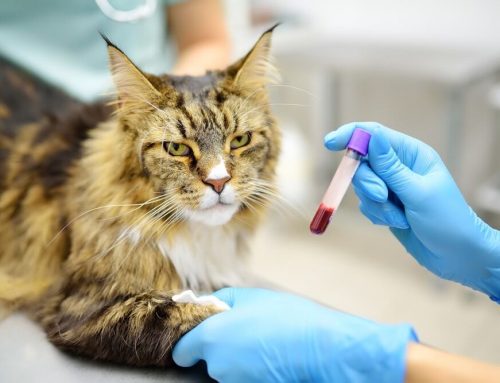
A urinalysis reads concentration, pH, crystals, protein, blood, and bacteria from a few milliliters of urine, and it frequently catches trouble months before a pet shows a single symptom at home. We run it in our lab, and when the results lean toward infection, antibiotics are the next step. If an infection keeps coming back, then a culture of the urine is warranted to see what exactly is growing in the bladder.
Growing the bacteria tells us which antibiotic will kill them, which matters more every year as resistance climbs. It also tells us when a pet doesn't need an antibiotic at all. Cloudy urine and a handful of white blood cells can come from inflammation, crystals, or a stone, and reaching for amoxicillin just delays the real answer.
Routine wellness examinations are where most of this gets caught, because a urine sample is simple to collect when nobody's in crisis. For seniors and pets managing a long-term condition, screening and early detection usually means checking urine and bloodwork side by side, since the kidneys, the thyroid, and blood sugar all leave their mark in the same workup.
After treatment, a recheck sample confirms the infection actually cleared. Pets feel better long before the bladder finishes healing, and a quiet relapse is easy to miss.
What Should My Pet Eat and Drink for a Healthier Bladder?
Regular urination of the right concentration is the goal. When water moves steadily through the system, minerals have less time to concentrate and clump. Wet food, a second bowl in a different room, and a fountain all do real work. Therapeutic diets go further by adjusting minerals and pH for one specific problem.
Cats are the tough customers here. A cat's body evolved to pull most of its water from prey. Dry kibble plus one dish across the house adds up to very concentrated urine. Canned food is the single biggest lever, and many cats drink more from a wide, shallow dish or moving water than from a deep bowl that presses on their whiskers. For dogs it's usually about access: a full bowl at both ends of the house and bathroom breaks that aren't eight hours apart.
If stones and crystals are the issue, diet can make or break the treatment. Struvite stones can dissolve over a few weeks on the right therapeutic food. Calcium oxalate stones will not budge. The dietary treatment of bladder stones hinges entirely on which mineral type is sitting in the bladder.
| Mineral | Will food alone break it down? | Pets most often affected | What prevention looks like |
| Calcium oxalate | Not at all. Removal is the only route | Older cats, plus Yorkies, Bichons, and Miniature Schnauzers | More water and a different diet to head off the next one |
| Urate and cystine | Sometimes, when medication is added to the diet | Bulldogs, Dalmatians, and pets with a liver shunt | A lifelong diet plan, usually after genetic testing |
| Struvite | Usually, given several weeks on a dissolution food | Some cats, and dogs who get one bacterial infection after another | Treat the infection first, then keep the urine dilute |
Cranberry extract, glucosamine, and D-mannose make up most urinary supplements on the shelf, and they belong alongside a treatment plan as support, never in place of one. The wrong urinary diet can make a different stone type worse. The food has to match what's actually in your pet's urine.
What Can I Do at Home to Lower the Risk?
Three habits carry most of the weight: keep your pet lean, keep the back end clean and dry, and make the trip to the box or the yard easy and appealing.
- Weight: Extra body fat changes urine chemistry in ways that favor crystal formation, and the link between obesity and bladder stones is strong enough that weight control counts as bladder care. Body condition checks at each visit catch a slow gain while it's still easy to reverse.
- Litter setup: Cats form litter preferences young and hold onto them, and the types of litter that keep a cat using the box tend to be unscented and fine-grained, kept about two inches deep and scooped every day. In a multi-cat house, each cat wants a box to call their own, with one extra tucked somewhere quiet, and a box on every floor spares an older cat the stairs.
- Hygiene: Skin folds around the vulva or prepuce hold dampness. A plain unscented wipe after outings helps dogs prone to repeat infections, and a sanitary trim does more than any wiping routine for a long-coated dog or a fluffy cat. We set aside Thursdays for cat-only grooming to keep the whole visit quiet.
- Paying attention: You know your pet's normal rhythm better than anyone does. If they board or come to daycare with us, tell our team what normal looks like and we'll flag a change while it's still small.
How Long Is Too Long to Wait and See?
Give a urinary change one day at most. If straining, accidents, or bloody urine are still there the next morning, that's a visit rather than a wait-and-see, and anything that looks worse over the course of an afternoon is a call the same day.
- No urine in 12 hours: repeated trips to the box or the yard that produce nothing at all.
- Systemic signs: vomiting, hiding, or refusing food alongside any bathroom change.
- Obvious pain: crying, hard straining, or a cat who won't let you near their belly.
- Blood that's increasing: a pink tinge that darkens instead of fading over a day.
- A fast relapse: symptoms returning within a few weeks of finishing an antibiotic.
If you're reading that list and nodding, get your pet on the schedule and we'll take a look.
Questions We Hear About Bladder Trouble
Can a urinary tract infection clear up without treatment?
Occasionally the body clears a mild infection, but it's a bad bet. Bacteria left sitting in the bladder can travel up to the kidneys, where illness gets serious fast, and lingering inflammation gives crystals somewhere to start forming. What looks like a simple infection may also be a stone or, in cats, painful inflammation with no bacteria involved. One visit and one urine sample settle the question.
How do I collect a urine sample at home?
A clean, dry container is all you need. For dogs, slide a shallow dish or a clean ladle underneath during a morning trip outside to catch urine midstream. For cats, we can send you home with non-absorbent litter that lets urine pool in the box. Refrigerate what you collect and bring it in within a few hours, since bacteria multiply in a warm container and skew the reading. If catching one at home proves impossible, we can collect it here.
My cat has started going beside the box instead of in it. Should I be worried?
Treat it as a medical question first and a behavior question second, and let a urine test settle which one it is. To a cat, the sting and the spot become one thing. If the box hurt yesterday, the cool tile beside it or a pile of laundry looks like the safer choice today, and that same cat can act perfectly normal for the rest of the afternoon. Stress-related bladder inflammation is common in cats and paints the identical picture without a single bacterium. The habit usually fades once the discomfort does.
Staying Ahead of Urinary Trouble
Most urinary problems are very fixable, and the ones that turn frightening are usually the ones that waited. We would much rather check a cat over for a few extra litter box trips that turn out to be nothing, and no one here will think you overreacted.
If something about your pet's bathroom habits has changed, the veterinarians who know your pet's history can tell what's new and what has always been true for them. Request a visit at Countryside Veterinary Hospital in Toney and we'll sort it out together.